
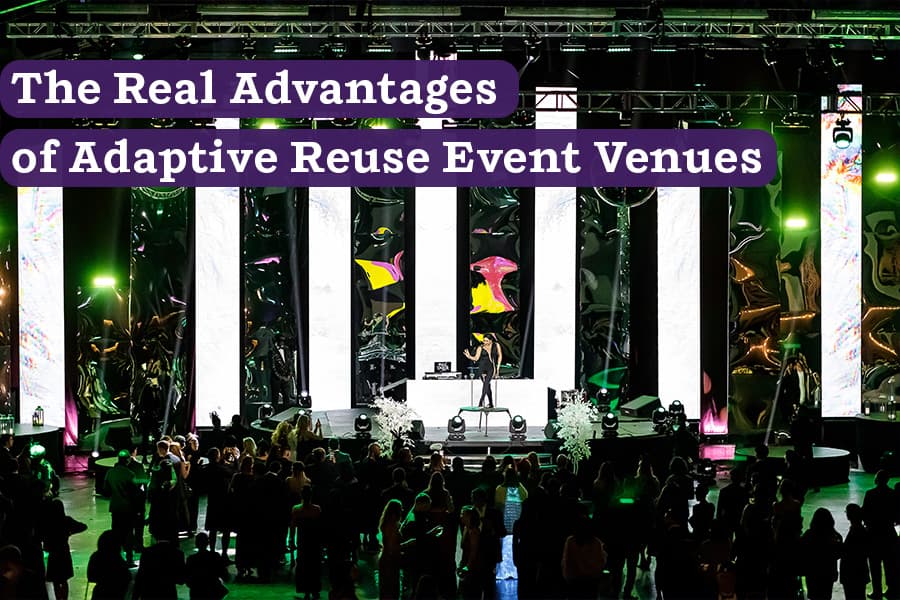
Adaptive reuse venues offer something standard event spaces often cannot: a setting with a unique identity already built in. Historic properties bring architecture, texture, and a real connection to place. Industrial spaces offer scale, openness, and room to create something almost entirely new. Both give planners a more distinctive starting point and more ways to shape an event around the people, purpose, and experience behind it.
These are not your average hotel ballrooms. Adaptive reuse buildings were originally designed with entirely different purposes in mind. They may have originally been churches, banks, coin mints, warehouses, shipping terminals, or more. But how does this make them special?
Here is why planners, producers, and experience-makers are ditching the cookie-cutter spots and going all-in on adaptive reuse.
What is an Adaptive Reuse Event Venue?
Adaptive reuse gives an existing building a new purpose while retaining the architectural features, materials, and history that make it recognizable.
Some adaptive reuse venues are carefully restored landmarks. Others are industrial properties valued for their scale, open layouts, and raw structural character. The category can include former banks, warehouses, terminals, retail buildings, factories, and performance spaces.
For these buildings to function as event venues, the transformation has to extend beyond appearances. Power, accessibility, fire and life safety systems, restrooms, internet, loading, climate control, and guest circulation must all support the building’s new role.
The growing interest in these spaces reflects a broader change in venue sourcing. Cvent’s 2026 Planner Sourcing Report found that 48% of surveyed planners are sourcing non-hotel venues, with flexibility and attendee experience among the leading reasons. Sixty-three percent identified attendee engagement as their primary measure of success.
Adaptive reuse venues can speak to both priorities. They give planners access to spaces that feel distinct while still offering enough range to support very different programs.
For more on that larger shift, see Why Nontraditional Event Venues Are Winning in 2026.
Where Adaptive Reuse Venues Have the Biggest Advantage
Adaptive reuse venues are most compelling when the setting needs to contribute something a standard event room cannot easily provide. Sometimes that is recognizable architecture and a strong connection to place. In other cases, it is the scale and flexibility to build an environment around the event rather than fit the event into a predetermined layout. These are the types of events that often truly shine in these spaces.
Concerts, Festivals, and Immersive Experiences
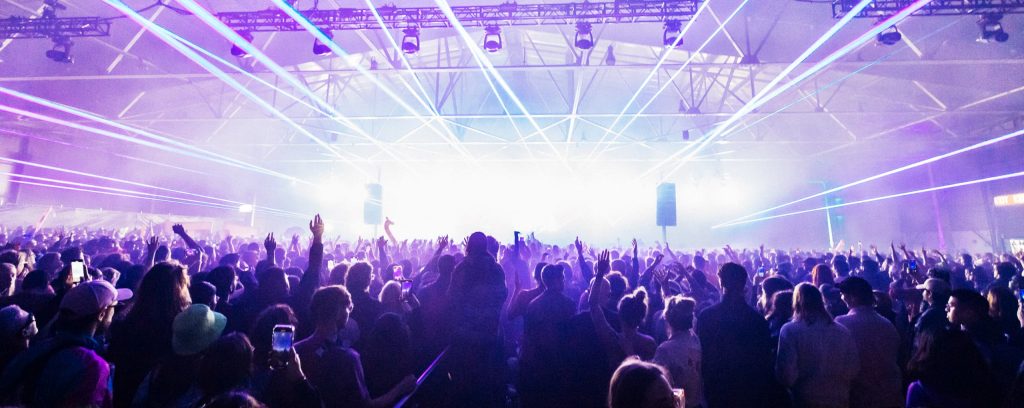
Large industrial venues give producers room to think beyond a stage at one end of the room.
High ceilings, open floor plans, substantial loading access, and fewer permanent fixtures can support oversized scenic elements, multiple performance areas, installations, sponsor activations, and customizable audience pathways. These venues can act as blank canvases that give production teams room to fully unleash their creativity.
That freedom is especially useful for festivals and immersive events, where exploration is part of the appeal. Guests can move through different environments instead of seeing the entire production from the moment they enter.
Fundraisers, Galas, & Community Events
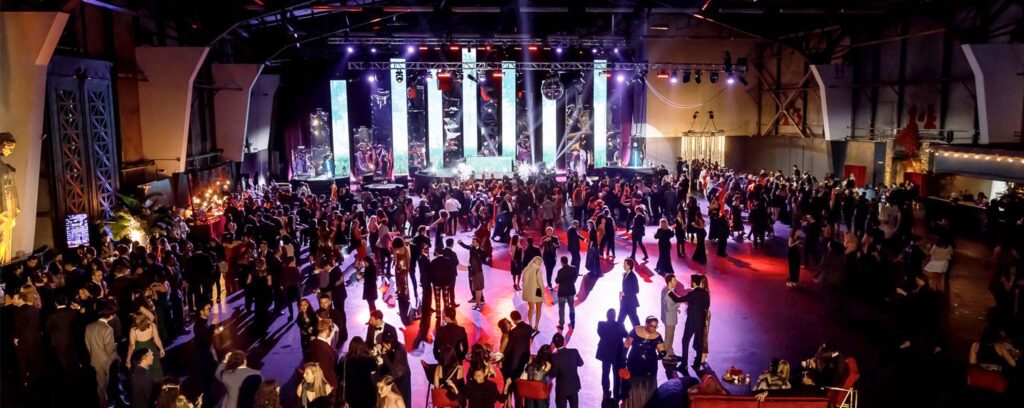
Historic adaptive reuse spaces can give an important gathering a deeper sense of occasion that is difficult to manufacture inside a standard ballroom.
Often already recognizable city landmarks, these spaces bring original ornate architecture, formal rooms, courtyards, staircases, and more to elevate the evening before décor even needs to be considered. They also give the event a stronger connection to its location, which can be especially meaningful for civic organizations, cultural groups, and causes rooted in the surrounding community.
Off-Sites, Tradeshows, and Product Launches
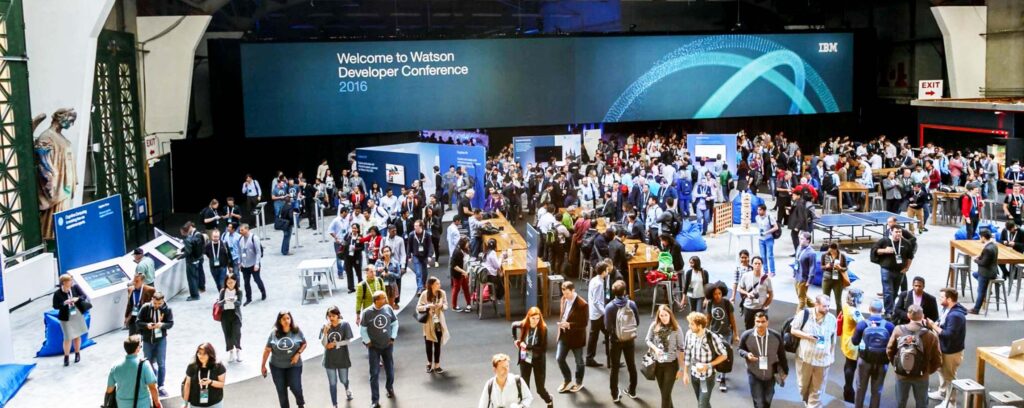
A ballroom can accommodate a corporate event. An adaptive reuse venue can help give it an identity.
Historic spaces offer a recognizable setting that can strengthen the invitation, arrival experience, photography, and overall perception of the event. For brands competing for attention during a major conference or crowded launch calendar, the venue itself can become part of what makes the gathering worth attending.
Industrial properties offer a different kind of advantage. Open floor plans, high ceilings, and limited permanent décor give brands more freedom to build around the product or story rather than decorate around an existing ballroom setup. A launch can feel like a fully developed brand environment instead of a simple powerpoint presentation at the airport hotel.
That distinction is especially useful for conference off-sites. After a full day inside traditional meeting spaces, a venue with a different scale, history, or atmosphere gives guests a clearer reason to leave the convention center and keep participating.
Private Celebrations
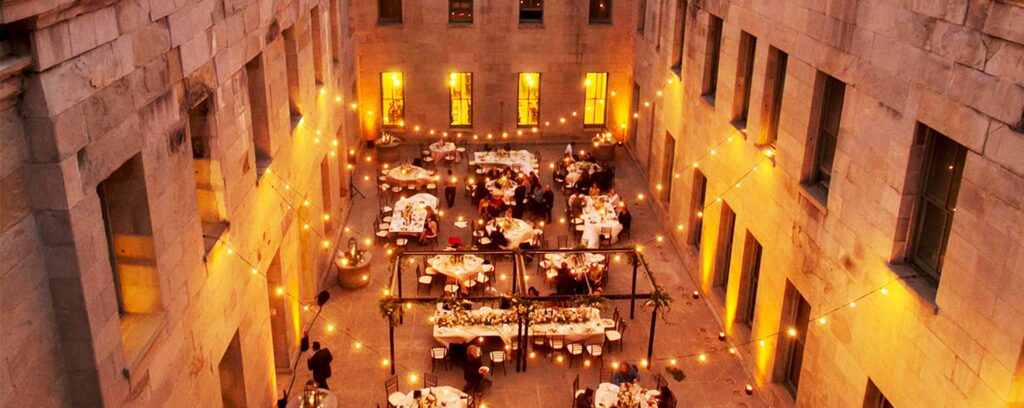
Weddings, birthdays, bat mitzvahs, and other personal milestones can be some of the most important events in a person’s life. The venue should help that moment feel worthy of the occasion.
Not only do historic venues act as naturally beautiful settings, but their uniqueness and unconventional nature often act as “memory anchors.” A ceremony in an intimate courtyard, an entrance down a grand staircase, cocktails in an old gold vault, or dinner beneath original architectural details gives guests something specific to hold onto long after the event ends.
Décor, music, food, and personal touches still shape the celebration, but the venue gives those moments a stronger frame. Years later, guests may not remember every detail of the tablescape. They are far more likely to remember how it felt to walk into that building and experience the occasion there.
The Larger Impacts of Adaptive Reuse Venues
Adaptive reuse is about more than keeping old buildings standing. It is often about protecting pieces of a city’s identity that are impossible to truly replace once they are gone.
These spaces carry traces of the people and industries that shaped the neighborhoods around them. Bringing those spaces back into active use allows the next chapter to grow from what was already there rather than replacing it or simply allowing it to rot.
Events can play a meaningful role in that return. A building that once sat quiet begins welcoming people again. Guests discover a part of the city they may not have visited otherwise. Local vendors, crews, artists, producers, and organizations bring new energy into a property with an established place in the community.
That renewed activity can ripple beyond the venue itself. Restaurants, bars, hotels, and nearby businesses benefit from the people moving through the area. A once-overlooked area becomes visible again, and a neighborhood gains another place for people to gather.
There is an environmental benefit as well. New construction requires demolition, concrete, steel, glass, transportation, and the energy needed to manufacture and assemble those materials. Reusing an existing structure helps avoid this while still providing great value to the area.
The American Institute of Architects’ Guide to Building Reuse for Climate Action identifies renovation and adaptation as important tools for reducing emissions from the built environment.
For guests, that choice can also make the event feel more connected to its surroundings. They are stepping into a real piece of city history and helping keep its story moving forward.
Real-World Wins: Adaptive Reuse in Action
The San Francisco Mint
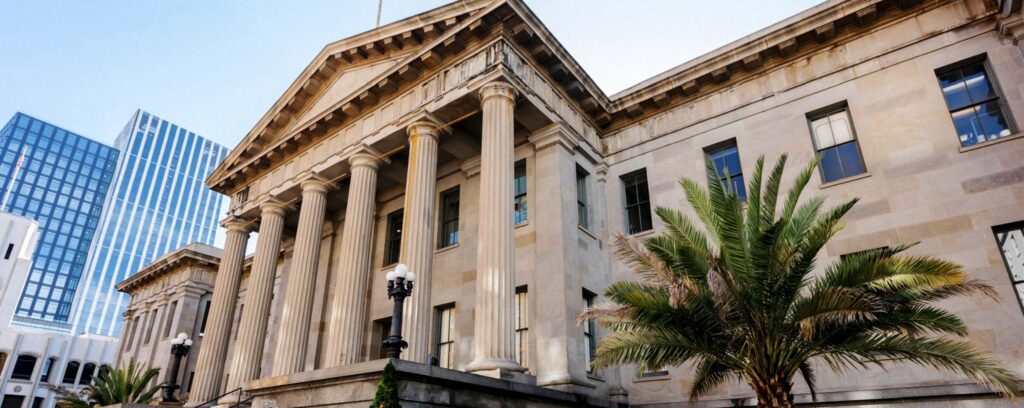
Once home to one-third of the nation’s gold reserves, The San Francisco Mint still carries the weight of its original purpose. Its massive pillars, ornate ballrooms, open-air courtyard, and historic gold vaults now give fundraisers, corporate gatherings, product launches, and private celebrations a setting with genuine history built into it.
SVN West
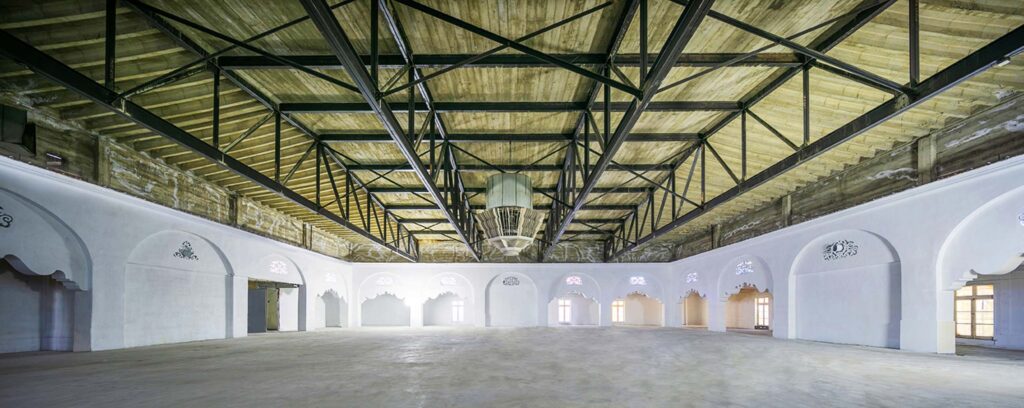
SVN West has served as an automobile showroom, a ballroom, and one of San Francisco’s most important music venues as the Fillmore West. Those layers of history now sit alongside more than 100,000 square feet of flexible event space across three levels and a rooftop, giving planners a venue that can move easily between conferences, filming, performances, exhibits, and brand activations.
Pier 80
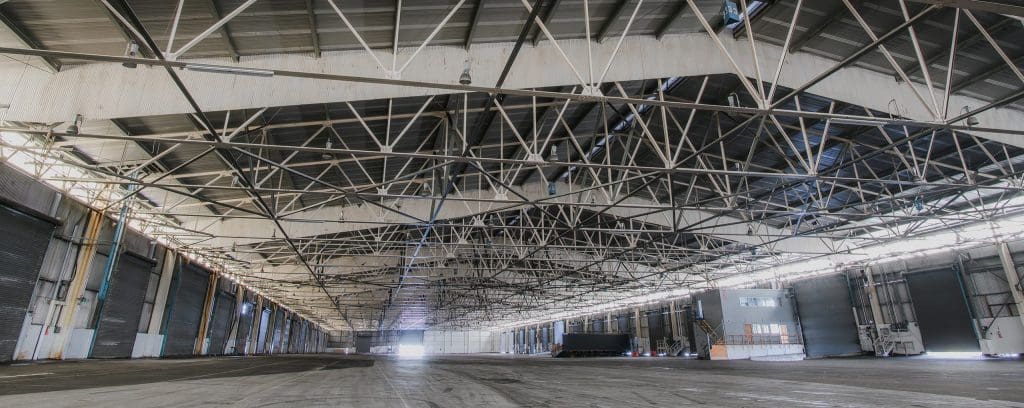 Still an active shipping port, Pier 80 also now acts as the largest clear-span event space in San Francisco, offering an unparalleled 220,000 square feet of raw industrial space. Plenty of creative room for festivals, concerts, immersive builds and large corporate gatherings.
TLDR: Why Choose Adaptive Reuse Venues
Adaptive reuse venues stand apart because the building brings something of its own to the event. In a historic space, that may be architecture, atmosphere, and a visible connection to the city. In an industrial space, it may be scale, openness, and the freedom to build around the experience rather than work within a standard room setup.
Those qualities can make an event feel more distinctive, more memorable, and more rooted in its setting. They can also give planners more creative range, whether the goal is to create a stronger sense of occasion, transform a large footprint, or give guests an experience they could not have had in a conventional ballroom or conference center.
At NPU, we help planners match the right idea with the right building, then work through the access, permitting, compliance, vendor coordination, and operational details that bring it to life. Explore NPU’s event venues in San Francisco and Denver or connect with our team to start the conversation.