
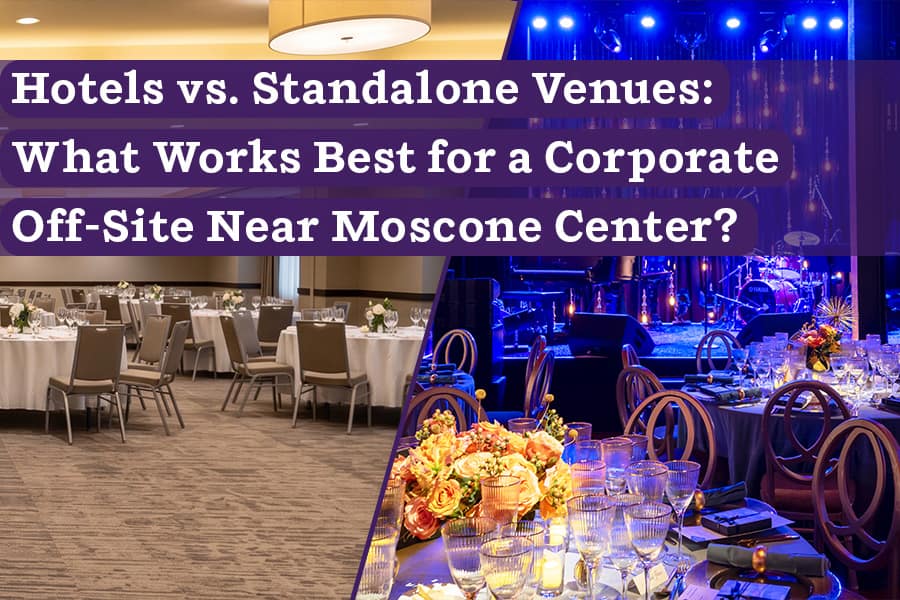
Hotels near Moscone Center are often the best fit when guest convenience and turnkey service are the priority. Standalone venues can offer more flexibility, distinctive settings, outdoor space, and greater control over production. The right choice depends on the size, format, and goals of the off-site.
Major conferences at Moscone Center typically bring a crowded slate of receptions, dinners, launches, and after-hours events across the city. These events are often competing for the same attendees, which puts more pressure on the venue choice. But what type of venue is best to help make your off-site stand out? Well, it depends.
Hotels surrounding Moscone offer convenience and built-in meeting infrastructure. Standalone venues can offer a different kind of setting, more flexibility, or room for a larger creative vision.
The better choice depends on what you are looking to accomplish with your event.
This guide compares hotel venues and standalone corporate event venues in and around Moscone Center to help planners better understand where each option has an advantage.
| Venue | Published Event Capacity | Outdoor Event Space | Event Space Types | Catering / Vendor Model | Approx. Distance from Moscone Center |
| The Mint | 999 | Yes Central courtyard with optional tenting | Ballrooms, courtyard, salons, lounges, breakout spaces, historic gold vaults | Outside caterers and event vendors permitted; NPU provides beverage service | 0.4 mi |
| SVN West | 4,500 | Yes 15,000 sq. ft. rooftop terrace | Ballroom, large rooftop terrace, multiple large format spaces across three levels | Outside caterers and event vendors permitted; NPU provides beverage service | 1.5 mi |
| San Francisco Marriott Marquis | 5,500 | None listed | Ballrooms, meeting rooms, and boardrooms | Hotel food and beverage program | 0.2 mi |
| InterContinental San Francisco | 1,000 | Yes Terrace and outdoor event areas | Ballrooms, meeting rooms, specialty suites, and terraces | Hotel food and beverage program | 0.3 mi |
| W San Francisco | 450 | Yes Terrace | Great room, studios, meeting rooms, and terrace | Hotel food and beverage program | 0.1 mi |
| Hyatt Regency San Francisco | 1,000 | None listed | Ballrooms and meeting rooms | Hotel food and beverage program | 0.5 mi |
| The Clancy | 200 | Yes Outdoor event areas | Meeting rooms, indoor event spaces, and outdoor areas | Hotel food and beverage program | 0.2 mi |
Distances are approximate and can vary depending on which Moscone Center building or entrance is used as the reference point. Hotel distance estimates are based on current property and route listings. Catering policies and vendor requirements may vary by venue and by contract and should always be confirmed directly with the venue.
The comparison helps illustrate why there is no single best venue type for every Moscone off-site. With comparable capacities and room types, the biggest differentiators tend to come from the the nature of the space and the policies each venue has. For instance, hotels tend to favor a more turnkey, centralized service model, while standalone venues can offer more varied environments, vendor flexibility, and more room for creativity in custom event production. The better fit depends on your priorities and how the event is meant to function.
When a Hotel Venue Makes Sense for a Corporate Off-Site
A hotel venue can be a strong option when the off-site is meant to be easy for attendees to work into an already busy conference schedule, or when the planning team values a more centralized event model.
When Many of the Guests Are Staying at the Hotel
For conferences that draw a large number of out-of-town attendees, the hotel may already be one of the main gathering points outside Moscone Center.
Hosting a dinner, reception, or breakfast where a significant portion of the guest list is staying removes another trip from the day. Attendees can return to their rooms, drop off conference materials, change clothes, and head downstairs without coordinating transportation or navigating another part of the city.
That convenience can be especially useful for customer dinners, executive gatherings, welcome receptions, and morning events where easy attendance is one of the priorities.
When a More Turnkey Event Model Is the Priority

Hotels are built around established systems for corporate meetings and events. Catering, banquet staffing, furniture, room setup, AV, service equipment, and other operational needs are typically coordinated through the same hotel property team. Hotels often have dedicated event packages for you to choose from, taking additional guesswork out of the equation.
Moreover, the hotel events teams already know the rooms, the service standards, and the logistics of getting an event in and out of the property.
That convenience, however, can often come with less planning flexibility. Some hotels require food and beverage to be purchased through the property or place restrictions on outside partners. There are often set menus for you to choose from as well. Service charges, labor fees, equipment rentals and other property-specific costs can also add to the final spend. Planners may have fewer opportunities to shop individual, more customized services or bring in vendors they already know.
That does not automatically make the hotel model more expensive, but it can give planners fewer opportunities to shop individual, more customizable services or bring in vendors they already know. Those requirements should be included when comparing the full cost of each option.
The room itself can introduce another set of constraints. Existing carpet, wall finishes, lighting, ceiling conditions, and furniture may influence how far a planner can push the visual direction without bringing in additional scenic, lighting, or décor elements. Even then, many hotels have policies that make bringing in and installing additional staging and decor much more difficult, often leaving you to choose from pre-set room layouts.
For an off-site where operational simplicity carries more weight than customization, the hotel model can be a strong fit. When the concept depends more heavily on custom production, outside vendors, or greater control over the event environment, the hotel venue may not be what you’re looking for.
When a Standalone Event Venue Makes Sense for a Corporate Off-Site
A standalone venue can give an off-site the kind of identity that helps it stand out during a crowded conference week. Distinctive architecture, iconic locations, and greater creative flexibility give planners more to work with from the start, making it easier to build an event that feels like a destination rather than another generic stop on the schedule.
When the Event Needs to Feel Like a Destination
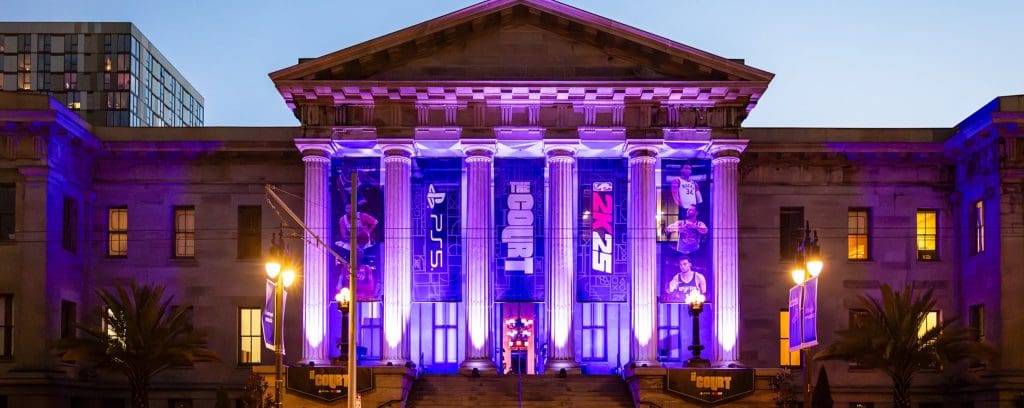
Many off-sites struggle to establish an identity of their own and can end up feeling like another stop on the conference agenda. Hosting the event somewhere with genuine character, history, or cultural recognition gives it an immediate point of distinction and can help turn your off-site into a destination attendees are curious to experience.
That appeal goes beyond simple architecture or décor. An iconic landmark, historic building, spacious rooftop, or a location guests might not otherwise have access to automatically adds an extra layer of intrigue. The venue becomes part of what makes the invitation interesting, rather than a generic ballroom. For planners, that gives the event a stronger foundation before any branding, production, or programming is added.
The venue and destination can also have a measurable role in how an event is remembered. Amex GBT’s Global Meetings & Events Forecast identified venue and destination among the top factors meeting professionals associate with creating a memorable attendee experience.
The Mint, for example, gives attendees access to one of San Francisco’s most recognizable historic buildings, including its original gold vault spaces and central courtyard. SVN West offers a very different draw, with a large rooftop and expansive multi-level footprint in the center of the city.
For events large enough to justify planned transportation, the search can widen further. Palace of Fine Arts sits approximately 3.6 miles from Moscone but offers more than 140,000 square feet of interior space and capacity for up to 5,000 guests. For a flagship launch, major customer event, or large-scale conference gathering, the ability to take over an iconic San Francisco landmark may be well worth building transportation into the plan.
For events where attendance is optional and invitations are competing for attention, that built-in sense of place can be invaluable.
When Exclusivity Matters
In a hotel venue, your event may occupy one ballroom while other meetings, travelers, restaurant guests, and hotel operations continue elsewhere in the property. This can sometimes complicate guest flow or create confusion.
A standalone venue can provide a different level of ownership over the guest experience.
Depending on the property and rental structure, planners typically have greater control over arrival, registration, signage, security, branding, guest circulation, and how different parts of the venue are used throughout the event. Attendees are entering a property dedicated to the program rather than moving through shared hotel spaces on the way to it.
That can be particularly useful for things like customer appreciation events, product launches, VIP gatherings, and brand activations where privacy, consistency, or a strong sense of exclusivity is part of the plan.
When the Concept Requires More Creative and Vendor Flexibility
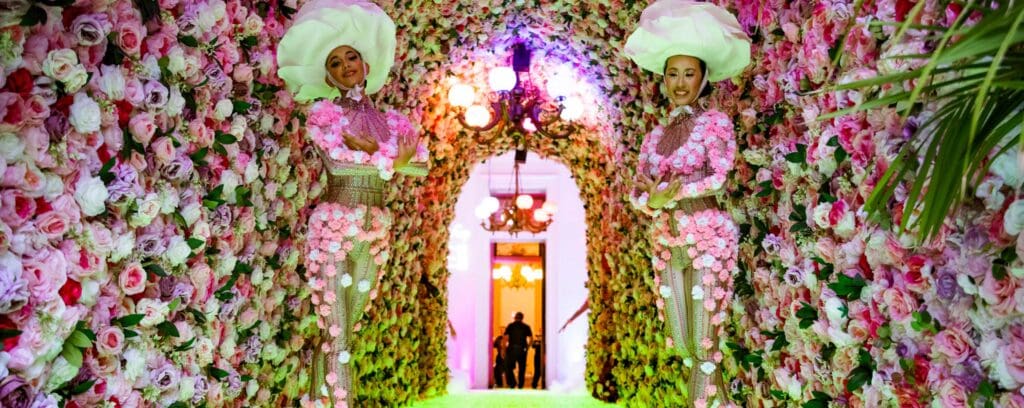
Standalone venues can also be a strong fit when the event is being developed around an established creative team, caterer, production company, or agency.
Hotel event packages can simplify planning, but their established service models may also limit which vendors can be used, how food and beverage is handled, or how certain production elements are executed.
A more open vendor model gives planners greater freedom to build around partners they already trust and to choose the services that best fit the concept and budget.
NPU allows all (insured) outside caterers and vendors for food, décor, planning, and production at its San Francisco venues, while providing beverage service internally. That can be particularly useful for product launches, branded experiences, sponsor events, and other programs where scenic design, technology, catering, or production are closely tied to the event itself.
That flexibility also extends to how the spaces themselves can be used. NPU venues are designed to accommodate a wide range of floor plans, production builds, scenic elements, installations, and custom décor, giving planners more freedom to adapt the venue around the event rather than forcing the event into a predetermined setup. For teams with an ambitious creative concept, that willingness to explore what is possible can open the door to a much more customized result.
Greater flexibility can require more coordination, especially when multiple outside vendors, custom builds, or complex production elements are involved. Whether that added effort is worthwhile depends on how central those choices are to the event. For programs where the food, design, production, or overall environment are a major part of the experience, the added control can be well worth a little extra planning.
For more on how distinctive buildings can influence event design and production, see The Real Advantages of Adaptive Reuse Event Venues.
TL;DR: Which Venue Model Makes the Most Sense?
There is no single answer that works for every Moscone off-site.
A hotel venue often makes the most sense when convenience, guest accommodations, and a more turnkey planning model are the priorities. That can be especially useful for dinners, executive gatherings, welcome receptions, and other programs where the event itself does not require a highly customized environment.
A standalone venue becomes more compelling when the off-site needs to establish a stronger identity, offer exclusive use of the property, accommodate a more ambitious production plan, or give the planning team greater flexibility over vendors and creative direction.
It all comes down to what you truly need from your venue in order to meet the goals of your event.
Within NPU’s San Francisco portfolio, The Mint, SVN West, and Palace of Fine Arts offer different combinations of proximity, scale, and production flexibility for planners who decide the standalone route is the better fit.
Explore NPU’s San Francisco corporate event venues or connect with the team to compare the spaces against your guest count, creative plans, and conference-week logistics.
Frequently Asked Questions About Corporate Off-Site Venues Near Moscone Center
Are hotel venues better for conference off-sites near Moscone Center?
It might not be what you wanted to hear, but it depends. Hotels can be a strong choice when many attendees are already staying at the property or when a planner wants a simplified, less flexible approach to catering, staffing, AV, furniture, and other event services coordinated through a centralized hotel team. Standalone venues may be stronger when customization, exclusive use, vendor flexibility, or a more distinctive setting are higher priorities.
What are the advantages of a standalone venue for a conference off-site?
Standalone event venues can offer greater control over the property, more flexible vendor and production models, and unique, often iconic settings that helps the off-site establish an identity separate from the conference itself. Depending on the venue, planners may also gain access to outdoor space, picturesque architecture, or larger areas for custom production.
Which NPU event venue is closest to Moscone Center?
Among NPU’s San Francisco venues, The Mint is the closest to Moscone Center at approximately 0.4 miles.
Can I bring my own caterer or vendors to an NPU venue?
Yes. NPU permits clients to bring insured outside caterers and vendors for food, décor, planning, and production. NPU retains first right to provide beverage and bar services.
Is SVN West close enough to Moscone Center for a conference off-site?
SVN West is approximately 1.5 miles from Moscone Center. For large receptions, launches, after-parties, and other programs where its 4,500-person capacity, rooftop, and production flexibility are important to the concept, planners may find that arranging transportation is a worthwhile trade.
Is Palace of Fine Arts too far from Moscone Center for a conference off-site?
Palace of Fine Arts is approximately 3.6 miles from Moscone Center, so it should be treated as a transportation-based off-site rather than a walkable one. For large events that benefit from its 140,000-plus-square-foot interior footprint, capacity for up to 5,000, and iconic landmark setting, a little extra transportation can be well worth it.