
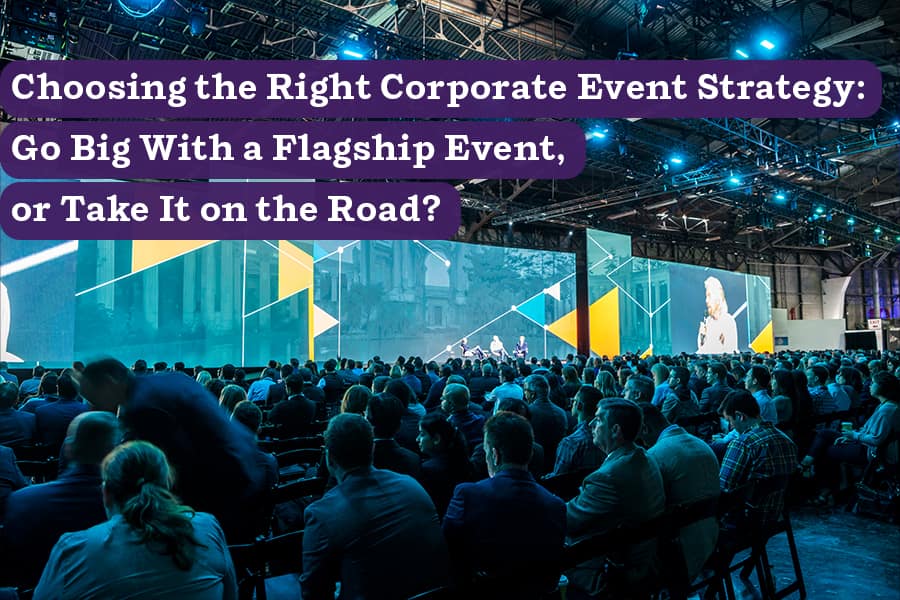
A flagship event can bring a broad audience together around one shared experience and typically garners increased media attention. A regional series can take the same core idea to smaller groups in different markets. Some organizations use both, with local events supporting a larger gathering. Choosing between these approaches means weighing several factors, from audience and event goals to regional needs and the work involved in delivering one event or several.
Your team is planning a company event for people across several regions. Maybe you’re introducing a new product, launching a trade show, or bringing your product line to a new market. Do you build one flagship event and make it a destination for your audience? Or take the show on the road with a series of smaller regional events? Both approaches have their appeal, and neither is an easy call. Choosing the right corporate event strategy means weighing what the event needs to accomplish and how best to bring people into it. Let’s take a look at
When a Flagship Corporate Event Makes Sense
Flagship corporate events are built to make a splash. To garner big attention. To become industry destinations. Gatherings people are willing to travel for because they want to see what’s being unveiled, meet others in their field, and be part of the moment. Major flagship events tend to work well for product launches, major company announcements, user conferences, large industry conferences, and more.
Scale is part of what sets a flagship event apart. The format gives a company room to build a larger production around a major announcement and bring a broad audience together for it. People make the trip for the main event and the experience that it brings.
Recurring flagship events, can often become regular mainstay on the industry calendar. an event that your audiences look forward to each year. They know the event will bring the industry together again, and come back for the program and the chance to reconnect in person. A strong annual gathering can also help establish its host as a leading voice in the industry.
When properly executed, a flagship event can also act as a media beacon. These events tend to provide:
- A timely story with a set date. For media outlets, flagship corporate events typically come with big news worth covering. Also, since the event date is typically set well in advance, they can more easily work with the event team to schedule interviews and coverage ahead of time.
- A built-in audience. The people in the room are only part of a flagship’s audience. Plenty of others who are unable to attend likely follow the same company or industry and want to know what took place. Outlets know this and are typically keen to capitalize on an established audience with additional coverage.
- A story people can see. Event elements like product unveilings, live demos, major keynotes, and more provide strong visuals for press to tie into their coverage, and give those unable to attend a better peek behind the curtain.
- Multi-phase event coverage. Rather than relying on one press release to make your important announcement, a flagship corporate event provides several opportunities to garner coverage over an extended period of time. Coverage can start before the event itself, with teasers or briefings that give reporters an early look at what to expect. During the event, live coverage of the key portions of the event helps extend your audience past the venue walls. Post-event interviews, analysis, and recaps help provide additional context and keep coverage going long after the presentations go dark.
Of course, hosting a flagship event doesn’t guarantee coverage, but it gives a strong story more ways to earn it.
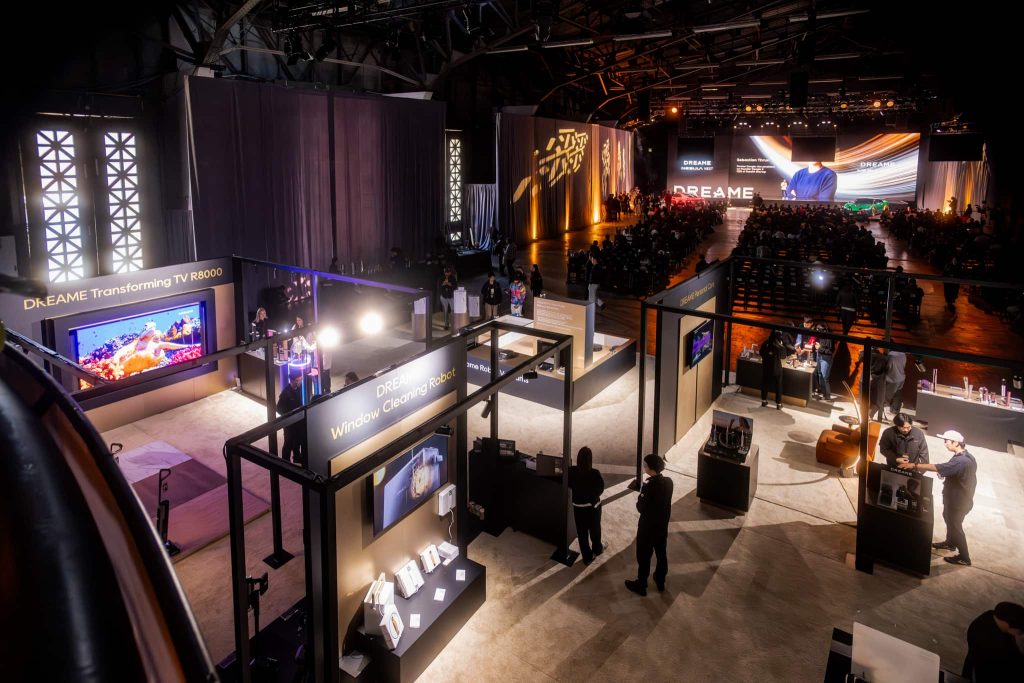
Finding the right venue is part of making that big splash. A flagship event needs a space that reflects its importance. The right setting can give the event a deeper sense of gravitas than it might have in a standard hotel ballroom or event hall. The Palace of Fine Arts is a strong example, pairing the cultural recognition of a San Francisco landmark with more than 100,000 square feet of event space.
The Dreame Next 2026 launch is a prime recent example of a brand using that kind of setting for a flagship event around a major company milestone. The brand held a four-day showcase at the Palace to introduce its broader product ecosystem and groundbreaking concept vehicles to the U.S. market. The event drew hundreds of media representatives and influencers to cover what Dreame had on offer. With one flagship event, they were able to get in front of the collective tech audience all across the country.
A flagship can make a major moment feel worth a trip, but it also asks more of the budget, production team, and, more importantly, your audience. If the event doesn’t need that big splash factor, there is another approach to reaching larger audiences that might be worth considering.
When Regional Corporate Events Make More Sense
Instead of acting as the destination, Regional events bring the program closer to the people it needs to reach. They can work well when customers, employees, partners, or industry groups are spread across markets, or when the value comes from focused discussions with a smaller group. A product roadshow, local user conference, or series of regional trade shows can give a larger group of people a chance to take part without major travel costs or fear of a sold-out event.
Regional events can also make it easier to tailor a program to local interests. A regional user conference, for example, can give customers in one market time to discuss the products, challenges, and questions most relevant to them. The central message can stay consistent while the speakers, examples, and conversations can be adjust to better reflect the people in the room.
The first event can also inform the next. If customers in one city keep raising the same question, the team can make more room for it at the next stop. Each gathering still belongs to the same series, but the program can respond to what attendees actually bring up.
Smaller events still take planning. An event series in particular means coordinating multiple dates, venues, teams, and local details in each market. The program also needs enough consistency to feel connected, while leaving room for the parts that should vary from place to place.
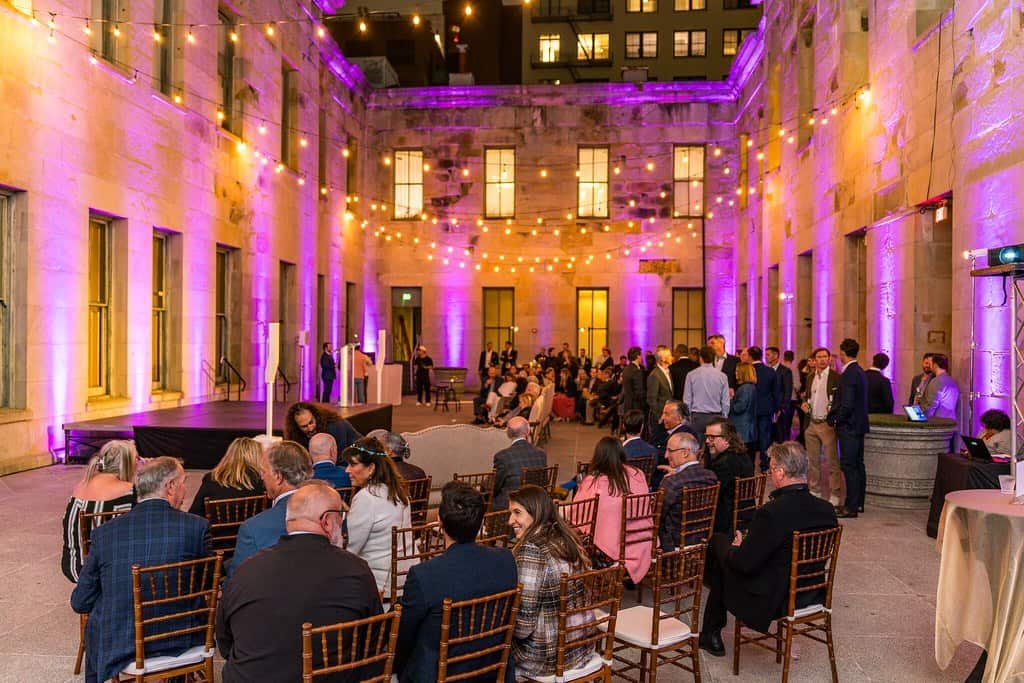
Just because you may not be chasing the same gravitas as a flagship event doesn’t mean you should settle for a weak venue. You still want something unique that gives your event that little extra something special. The Mint is a great example of a unique venue with deep ties to San Francisco heritage. Spaces like this with rich history and unusual character can help a regional gathering feel rooted in the community, even if it is one of many stops along the tour.
The Best of Both Worlds
The choice doesn’t have to be one format for every gathering. In some cases, using both is the way to go. A flagship can serve as the main annual event, with regional programs giving people in different markets more chances to participate. Local gatherings can also introduce ideas that come together later at the larger event.
That mix is already part of many existing event programs. In Bizzabo’s 2025 survey, 64% of organizers said they host multiple local field events to support larger conferences. The finding points to one way teams are pairing formats, though the right mix depends on the audience and purpose of each program.
A regional series can build local connections, while the flagship brings the broader audience together for a major announcement, keynote, or industry conversation. Each gathering should have a clear role in the program, so attendees have a reason to join either one or both.
How to Choose the Right Corporate Event Strategy
Start with the event’s purpose and audience. Is there a major announcement or shared experience people will travel to be part of? Would the event benefit from broad industry attention, ambitious production, or the chance to establish an annual gathering? A flagship may be the stronger fit.
If local access and focused discussion matter more, a regional series may serve the event better. And if the program needs both a central moment and more ways to connect across markets, the two formats can work together.
The right corporate event strategy also has to fit the organization’s capacity. Consider the production effort, budget, planning timeline, and commitment required from attendees. Then ask what the event gains from being large and centralized, what it gains from being closer to each market, and whether one format can do both jobs.
Whether San Francisco is the destination for your flagship or one stop on a regional tour, NPU has spaces to help bring the gathering to life. Explore our corporate event venues and tell our team what you’re planning. We’ll help you find the right venue for your event.