
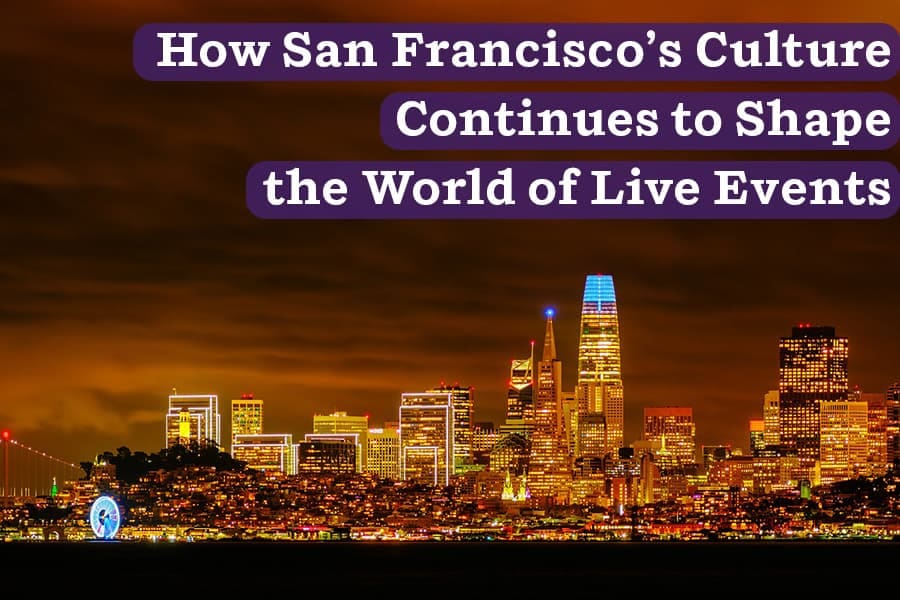
Many big cities host events, but not all of them have soul. You can’t quite put your finger on it, but something about them just feels bland or straight up forgettable. They’ll work in a pinch for events, but just don’t have the natural draw of being a destination for attendees to be excited about. Then there are cities that move to a rhythm all their own.
San Francisco is one of those places that has that special “cultural capital.” You can see it in the Mission’s murals that stretch for blocks, in the world-class food that blends dozens of cultures into something distinctly its own, and the innovation spilling out of SoMa’s tech corridors.
When people gather in San Francisco, something different happens. A product launch can feel like performance art. A conference can turn into a cultural experience. The city’s creative energy makes every event feel alive.
Let’s dive into what makes the city by the bay so special, and why creative cities like it lead event thinking around the world.
What is Cultural Capital?
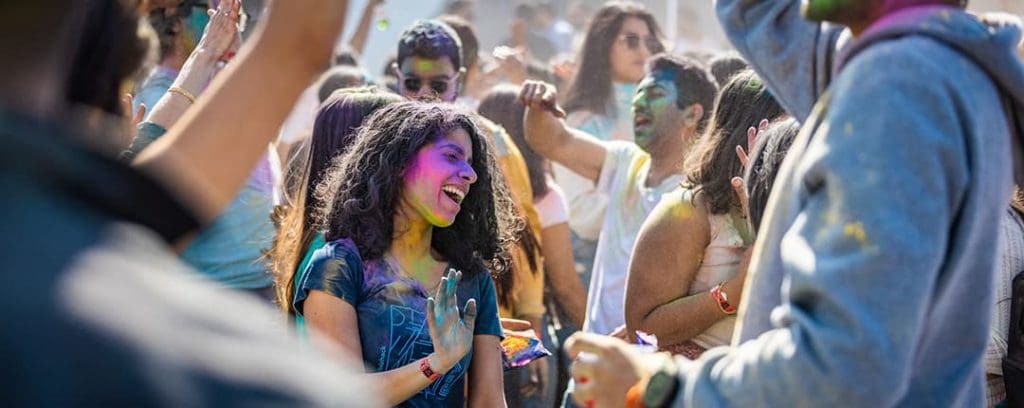
Cultural capital is that je ne sai quoi that gives a place its spark. It’s the shared creativity, expression, and imagination that shape how people live, work, and connect.
At its core, cultural capital is built on three things:
Expression. A strong arts scene, from street art and museums to live music and theatre, gives a city its visual and emotional identity.
Creativity. When artists, designers, and makers are part of daily life, they push new ideas into public spaces and events.
- Diversity. A mix of cultures and backgrounds adds flavor and authenticity, inspiring new forms of art, cuisine, and collaboration.
Identity. A city that values its creative roots develops a clear sense of self and that shows up in how people gather and celebrate.
For event planners, cultural capital matters because it sets the tone. It turns an ordinary conference or product launch into an experience that feels authentic to its surroundings. Strong cultural capital also helps make your event city act as a natural beacon, further incentivizing your attendees to make the trip.
San Francisco’s Creative & Cultural Strength
San Francisco has long been one of the most culturally rich cities in the world. Its creative spirit runs through every neighborhood and district.
A legacy of art and activism
The city has one of the highest concentrations of artists and arts organizations per capita in the United States (World Cities Culture Forum). Public art covers entire blocks, and institutions like SFMOMA and the Asian Art Museum keep global ideas in constant rotation. The city’s history of activism – from the Summer of Love to modern social movements – has also shaped its creative voice as bold, inclusive, and unapologetically expressive.
Culture that draws people in
Cultural tourism brings in about $1.7 billion in visitor spending each year (World Cities Culture Forum). Visitors don’t just come for landmarks; they come for the culture that lives in every district. There’s the historic Chinatown, one of the oldest and largest outside Asia; the Mission District, with its Latin American roots and vibrant art; and Japantown, home to traditional shops, festivals, and the annual Cherry Blossom Festival.
A world-class dining scene that mirrors its people
Few cities reflect their diversity as clearly through food as San Francisco. Its dining scene of nearly 4,400 restaurants blends flavors from every corner of the worl: dim sum that dates back to the 1920s at Yank Sing, pupusas in the Mission, handmade pasta in North Beach, and Michelin-starred tasting menus rooted in local farms. The city has even recently been dubbed the #1 destination in the country for multicultural dining by Food & Wine Magazine. For many visitors, that mix of traditions is as much a cultural experience as any museum.
Where art meets technology
Few places blend creativity and innovation like San Francisco. The city sits at the intersection of tech and imagination, home to some of the world’s most successful start-ups that partner with designers, coders, and performers to create immersive experiences.
Spaces that tell the city’s story
Even San Francisco’s event venues are an extension of its history.
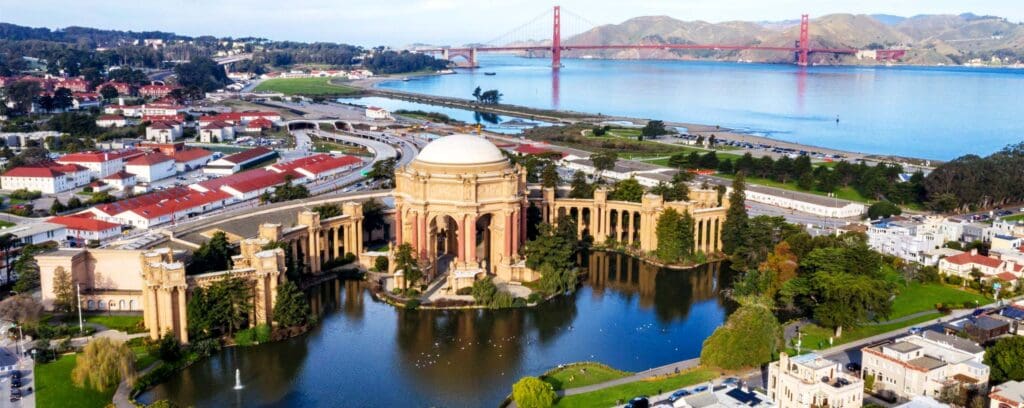
The Palace of Fine Arts, for example, remains one of the most recognizable landmarks in the state. Originally built for the 1915 Panama-Pacific International Exposition and now a setting for large-scale productions, galas, and cultural events.
The Mint brings a different kind of atmosphere, with its historic roots and preserved 19th-century architecture. Once home to 1/3 of the nation’s gold reserve, this beautifully restored landmark has been transformed to host events ranging from company off-sites and product launches to immersive gatherings and life moments.
SVN West – steeped in rock history, the former Filmore West now serves as a creative stage for concerts, brand activations, and immersive events.
Each of these spaces carries a piece of the city’s story, blending past and present in a way few cities can match.
Why Cultural Capital Matters for Events
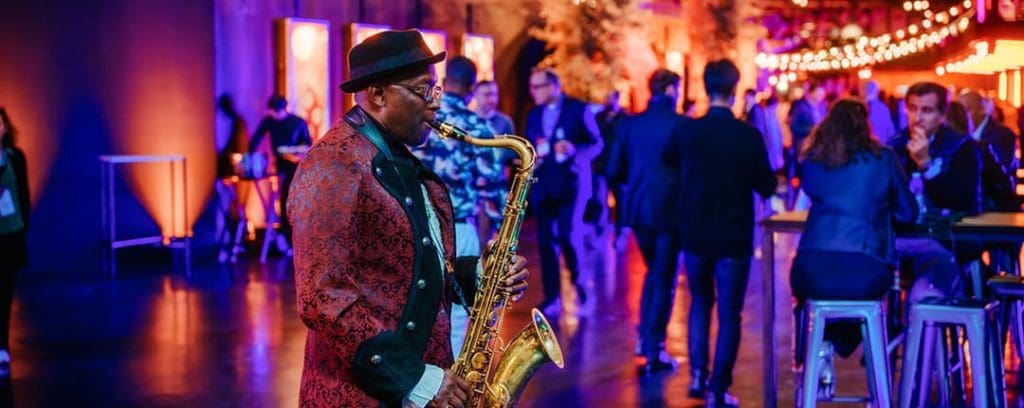
Every element that makes San Francisco unique also gives events here more meaning. The city’s culture, creativity, and diversity don’t just create atmosphere, they shape how people experience and remember each moment.
Venues with built-in stories
Spaces like the Palace of Fine Arts, The Mint, and SVN West do more than provide walls and lighting. Each carries a history that adds natural storytelling to an event. Hosting a gathering in one of these spaces instantly connects guests to the city’s past and its creative evolution. That sense of place transforms ordinary functions into experiences that feel rooted and real.
Culture that creates connection
San Francisco’s blend of communities, cuisines, and perspectives gives events an unmatched ability to bring people together. Shared experiences, whether through food, music, or art, spark conversation and break barriers. When events reflect the city’s diversity, they feel more welcoming and more memorable.
Creative collaboration that elevates ideas
Because art, technology, and innovation exist side by side, planners have access to collaborators who think beyond standard formats. Local designers, chefs, and technologists are used to working together, which helps build immersive and inventive experiences. That creative ecosystem makes it easier to design events that surprise, engage, and stay with people long after they end.
In San Francisco, culture is the spark that helps every event connect more deeply with its audience and tell a story that lasts.
Closing Thoughts
San Francisco shows how much a city’s culture can shape the way people gather. Its history, creativity, and diversity add a sense of meaning that makes every event feel more personal and alive. When a place has this depth, it naturally draws crowds from across the globe, and the experiences created within it carry that same energy forward.
For planners, this is a reminder to think beyond logistics. The right environment can inspire ideas, support connection, and turn ordinary moments into something lasting. San Francisco succeeds because it gives every event a sense of place and purpose that attendees can feel.
Cities rich in cultural capital make gatherings more human. They remind us that the strongest events are the ones that reflect the character of the communities they bring together.