
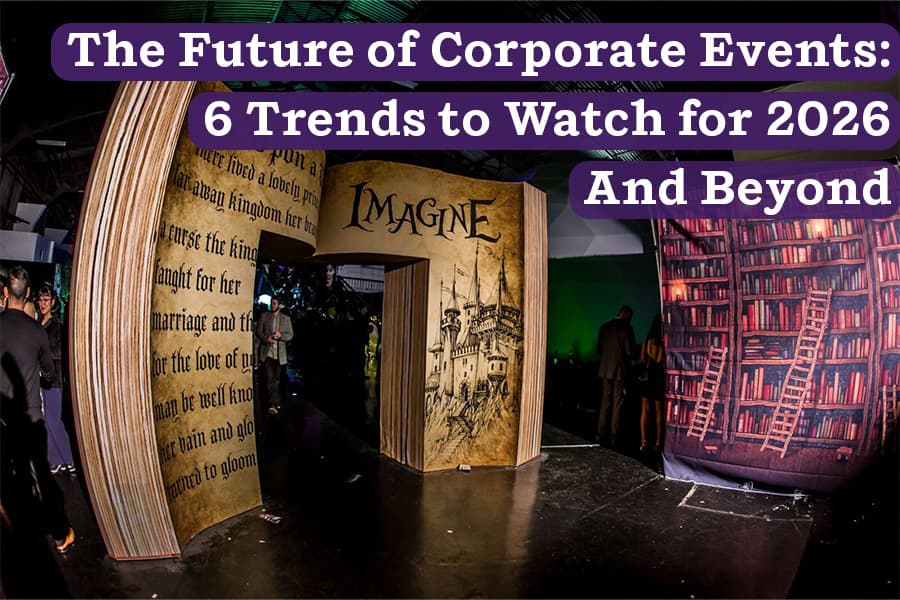
As the year is winding down, planners are looking back at what worked and what didn’t for their events in 2025. Many brought people together in bold new ways, while others showed how some old habits still fall short. With the new year on the horizon, it’s time to gain some insight into what comes next. Let’s take a peek into the future and go over what we see as the top 6 trends shaping corporate events for 2026.
1. Immersive Tech and Multi-sensory Events
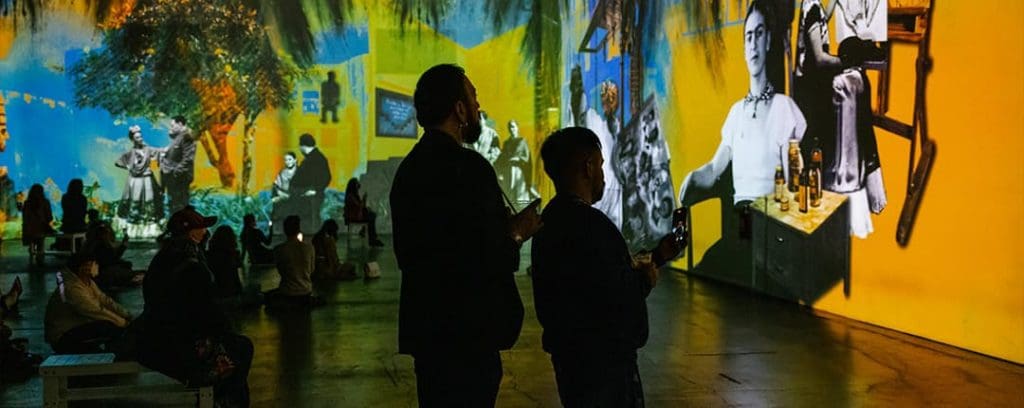
Many planners are moving past simple stage tricks and looking for ways to pull guests into the heart of the event. Immersive design uses sight, sound, touch, and sometimes even scent to create a space that feels real and memorable, and that create strong emotional moments. These experiences invite guests to explore, interact, and feel part of the environment rather than simply passing through it.
What this can look like
- Full space projection mapping: Instead of a static screen or banner, every wall, ceiling, or architectural surface becomes part of a living canvas. Some 2026 events reshape a room so lights and visuals wrap the entire space, surrounding guests in motion, color, and story from the moment they walk in. (Lumina)
- Interactive floors with motion response: Floors can react to movement in real time. A guest might step into a room and see ripples of light move away from their feet or animated effects follow their path. This turns entrances and common areas into playful, high impact spaces. (NXT Interactive)
- Multi sensory environments: Some immersive setups use scent, texture, spatial design, and lighting together. This creates deeper sensory moments that support a brand message or theme. (Canopy Creative)
- Experiential zones instead of a single event hall: Planners often break a space into themed areas, each with a different purpose and mood. One zone may feel calm and reflective while another may encourage movement or play. This invites guests to choose the experience that fits them best. (The Midway)
Why it works
Immersive design holds attention in a world filled with screens and noise. When people enter a space that surrounds them with light, sound, or interactive design, they become more present. They remember the event more clearly. They talk about it later. This gives the event longer life and stronger impact.
These tools are also becoming easier to use. Modern projection, lighting tools, and interactive elements are far more accessible than they were a few years ago. Even a smaller event can use a few immersive touches to create a standout moment.
2. AI-powered Planning, Personalization, and Smart Networking
As we covered in a previous article, AI is becoming a core tool for planners who want smoother workflows and stronger experiences. Many teams have learned that long spreadsheets and manual schedules slow everything down. AI helps clear that clutter. It supports the work behind the scenes, guides guests through the day, and gives planners real insight into what people value. This shift is shaping how events are planned, run, and improved.
What this can look like
AI tools that tailor the event for each guest: Modern event platforms can read attendee interests during sign up and suggest sessions that fit their goals or job roles. Guests get a plan that feels personal instead of a long list of choices. (Eventible)
Smart networking that avoids awkward guesswork: AI can match people with shared roles, skills, or topics. Instead of wandering through a crowd, guests receive clear suggestions on who to meet. This supports real conversations and stronger follow up.
Real time analytics during the event: Some platforms track session attendance, dwell time, and engagement levels throughout the day. Planners see what is working while the event is still happening, not only after it ends. (hire4event)
- AI supported load in schedules and vendor management: AI tools can build minute by minute loading schedules, vendor timelines, and staffing plans. This reduces confusion and cuts down on miscommunication on site. (cognativefuture)
- Follow up models that sort and summarize feedback: AI can read survey results, open comments, and session ratings, then group them into clear themes. This helps planners see patterns fast. (Specific)
Why it works
AI removes friction from both planning and attending an event. Guests feel more prepared and supported, since the event aligns with their goals, and they receive customized information and experiences. Planners get clearer insight into where to spend their time and where to adjust. The result is a smoother event with fewer gaps and less guesswork.
AI also helps teams work faster. Many planners juggle several events at once. With AI taking on repetitive tasks, planners can focus on design, storytelling, and guest experience. These are the parts of the event that make the biggest difference.
3. Wellness, Mental Health, and Human-centered Design
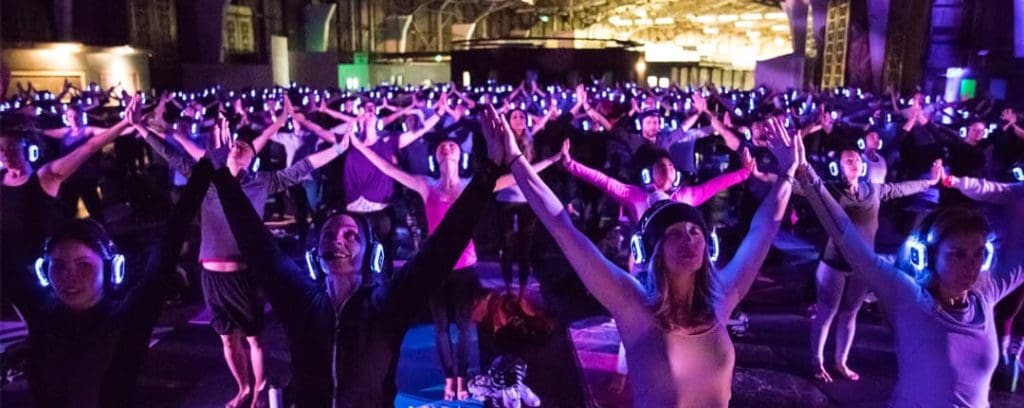
More people are working long hours, managing stress, or feeling the strain of remote routines. Planners have noticed this and are now building events that support well being as much as business goals. These events create space for rest, ease, and real connection. When an event feels calm and human, people open up, stay engaged, and leave with a clearer mind.
What this can look like
Quiet zones and mindfulness breaks: Many events now include quiet rooms where guests can reflect, breathe, or step away from the crowd. Some offer short mindfulness sessions that help reduce stress during busy days. (wellness360)
- Wellness-focused retreats: Some companies host wellness retreats in place of traditional parties or off-sites. These retreats often mix group time with open space, slow pacing, and activities that help people reset. (Strategic Workforce Planning)
- Movement and light exercise: Events may include yoga, stretching, group walks, or simple movement sessions. These activities break up long schedules and help people stay alert.
- Healthy food and hydration: More events are moving away from heavy meals and are offering cleaner food, fresh snacks, and clear hydration stations. This keeps people energized and comfortable for longer periods.
- Mental health and emotional support: Some events include talks, small group sessions, or resource tables that focus on mental health, stress reduction, or work life balance. These moments can help people feel seen and supported. (wellsteps)
Why it works
A wellness centered approach helps people feel grounded and ready to take part. These thoughtful choices also build trust, since they show that a company cares about people first, not just the agenda. Wellness elements can also improve productivity and bring out stronger team dynamics. People think more clearly, interact more openly, and form deeper connections when they feel safe and supported.
4. Purpose-driven and Brand-aligned Events
Events do more than gather people. They express what a company stands for. Many planners now see events as a chance to show values, culture, and personality in ways that feel honest. When everything at the event supports a clear purpose, guests feel connected to both the experience and the team behind it.
What this can look like
Events shaped around values like inclusion, service, or sustainability: These themes guide choices around food, decor, talks, and activities. For example, a company focused on sustainability may choose recycled materials, local food, and digital check ins. (Scenic Events)
- Brand centered visuals and storytelling: Some teams build a visual style that runs through the entire event. This can include color, lighting, messaging, stage design, or interactive displays that reflect the brand’s identity. (Special Events)
- Speakers and sessions chosen to reinforce purpose: Instead of generic presentations, planners choose content that ties to the company’s goals or mission.
- Gifting and takeaways that reflect the brand message: Thoughtful gifts, local items, or activity based takeaways help reinforce the brand in a natural way.
Why it works
Guests can tell when an event feels disconnected from the company that created it. A clear purpose helps shape decisions, reduce confusion, and create a steady tone from start to finish. Purpose driven events also feel more meaningful. People remember the experience because it reflects something true about the host.
5. Sustainable Practices That Reduce Waste and Support Responsible Events
As we previously covered, sustainability has moved from a nice idea to a real expectation. Guests notice how an event handles waste, food, materials, and travel. Many companies now treat sustainability as part of the guest experience, not just a behind the scenes effort. Small and thoughtful choices can cut environmental impact and also show that the host cares about its community.
What this can look like
Reduced single use materials: Many events are removing plastic bottles, disposable cutlery, and excess packaging. They use refillable water stations, as well as compostable service ware when possible. (Recycle Austin)
- Local and seasonal catering: Menus built around local farms or seasonal produce lower the carbon footprint of food service. This also supports local vendors and often leads to fresher, better meals. Also, work with local services like Re-Plate in San Francisco to help redistribute any surplus meals to local communities in need.
- Energy conscious lighting and AV: Modern LED lighting, efficient projection, and careful power management help reduce energy use. Some events also choose venues that rely on renewable energy. (WifiTalents)
- Display materials that can be reused or recycled: Signs, banners, stage pieces, and decor can be built from biodegradable or recycled materials, or designed so they can be used at future events. This helps prevent large amounts of waste at load out. Better yet, go digital! (Gitnux)
- Clear waste stations with easy sorting: Recycling, compost, and trash stations with clear signage help guests dispose of items correctly. Good placement and simple instructions make a big difference.
Why it works
Sustainability reflects how a company thinks about the world and its role in it. Many guests care deeply about how events use resources. When guests see responsible choices, they feel more aligned with the purpose behind the event. Sustainable practices also help reduce cost, lower waste, and build better partnerships with vendors who value responsible work.
Sustainability strengthens the story of the event. It helps guests feel proud of their participation and confident that the host is thinking beyond the day itself.
6. Post-event Communities and Long-term Connection
Many events create energy that fades as soon as people walk out the door. Planners are now working to change that. They want events that start conversations (with the tactics discussed above) and then help those conversations continue. When guests have a place to return to, the value of the event grows far beyond the day it took place.
What this can look like
Private online groups that stay active after the event: Some teams build a dedicated group on Slack, LinkedIn, Discord, or a custom platform. Guests can ask questions, share wins, refer contacts, or post notes and photos. (RainFocus)
- Short follow up sessions or virtual meetups: After a large in person event, planners may offer a 20 minute online session or small follow up chat. This gives guests a chance to reconnect without a huge time commitment. (Special Events)
Micro events that bring smaller groups together in the weeks after: These may be lunch meetups, office visits, panel talks, or casual mixers. Smaller groups often foster deeper ties.
Shared resource libraries: Some events release recordings, slides, toolkits, or reading lists after the event. This keeps guests engaged and lets them return to the material on their own time.
Why it works
People want ongoing value, not a single moment that fades. When a community forms around an event, the experience feels richer and more rewarding. It also strengthens loyalty between guests and the company that hosted the event. Strong post-event communities can lead to better collaboration, more referrals, and higher engagement the next time the group meets.
Closing Thoughts
The future of events is not about bigger sets or tighter schedules. It is about presence, purpose, connection, and care. When teams use these trends to guide their work, they create gatherings that feel alive and human. This is what people will want in 2026. Real moments that help them feel part of something.
Ready to start planning your 2026 events? We can help you find the perfect space to put these trends to use. Contact our Team to schedule your personal walkthroughs today!